
It is Friday night in October, doors open in an hour, and the actor who owns your signature creature just called out. The available replacement has never worked the scene and does not know its reset. Do you protect the character by casting one actor all season, or rotate roles so someone else can step in? The best answer is probably a little of both...
What permanent characters buy you, and what they cost
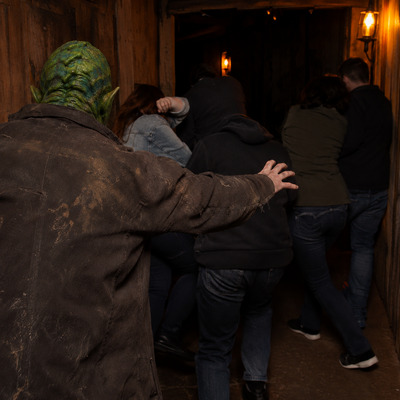
Give an actor the same character night after night and the scene can get sharper. They learn which guest reactions call for a pause, when to hit the scare, and how to reset before the next group.
That ownership matters in a signature scene. A creature who knows exactly when to emerge from the dark can make a familiar hallway feel dangerous. But if that actor is the only person who knows the cues, their absence leaves a hole that a spare costume alone cannot fill.
Permanent casting can also wear on the actor. The same crouch, lunge, or vocal effect repeated for a long October weekend may cause fatigue, and even a favorite character can start to feel stale.
Check in about physical strain and interest rather than assuming a polished performance means the assignment is sustainable.
What rotation solves, and where it can weaken the show
Actor rotation gives your cast more ways to contribute. Actors learn different scenes, managers gain coverage options, and a change of pace can help break up a demanding run. When a callout comes in, a rehearsed backup is a much better option than someone hearing the scene instructions while guests are already in line.
But moving everyone all the time has a cost. Actors need time to develop character choices and learn the rhythm of a scene. Frequent changes also mean more rehearsal, costume fitting, prop checks, and handoffs.
Our recommendation: Build a cast with primary and backup roles
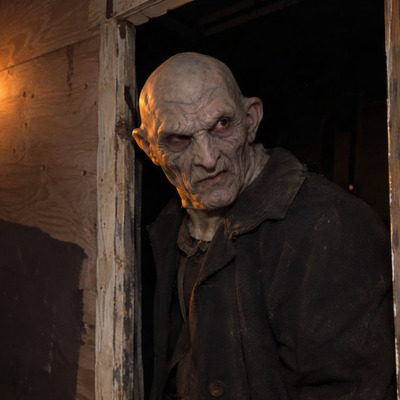
A practical middle ground is to give each actor a primary role and one suitable backup position. The primary gives them room to own a character. The backup gives your team a rehearsed option when the schedule gets ugly.
Start with the scenes that would be hardest to leave empty or change too much. A signature creature, a scene with precise timing, or a position that depends on a specific reset needs a solid coverage plan.
Match backups by availability as well as fit. An actor who can handle the costume and physical demands is not much help on a Saturday if they only work Fridays. Talk through the requirements, then confirm that the backup can actually be on site when coverage is most likely to be needed.
Build actor training around the scene, not just the character. Walk through the entrance cue, guest sightlines, scare timing, prop handling, and reset. Show the backup what to do if a group stalls or the scene needs to pause. Have them practice in the actual costume and space, with the neighboring actors who depend on their cues.
Schedule actors in their backup roles
Put planned rotations on the schedule in advance so actors and scene leads can prepare. Try to make sure that everyone has had the chance to perform in their backup role at least one night within the first 2 weekends. A friends and family night early in the season can also be a great time to allow actors time in their backup roles.
Sithon's haunt-focused scheduling tools offer a practical place to put planned rotations on the schedule. After the shift, ask actors and scene leads what worked: Did the scare land? Was the reset manageable? Use those answers to make any role adjustments before the next opening night.
Bottom line: rehearse backup coverage before a critical actor call out forces a last minute decision for you. A little preparation gives actors room to build memorable characters without leaving the show dependent on one person.